
Branding is a business’ most powerful tool. It is curated by graphic design, amongst many other things.
Let’s start by asking, “What is a brand, exactly?” To answer that question, I’ve spent years studying and working with clients. We commonly use the term in place of “company” such as what purse brand you prefer, or as a tangible action; designing a logo, packaging, etc. These definitions aren’t wrong, you can’t measure them.
In order to build a successful brand, companies and designers such as myself need markers for success to aim for.
My definition: A brand is how a company or organization is perceived in the minds of the consumer. The brand, or perception, is what will make people decide to invest or move on.
Branding is the “writing on the wall”, or what they say when you aren’t in the room. I accredit a lot of this thinking to Marty Neumeier in his book The Brand Gap.
The goal with any brand is to cultivate the right reputation with the right people. Ask questions like, “what truly matters to customers buying this product?” or “how can I connect with the people I’m trying to serve?”
Car brands are a great example. Picture how Honda advertises versus Mercedes-Benz. Honda is reliable, affordable, and great for average people. Mercedes distinguishes itself as the high-class luxury experience. They are both cars, but attract vastly different customers. Every detail from the visual style of their TV commercials to the material used for the dashboard speak to different audiences. These brands are carefully curated and gain trust through a long string of decisions.
As a designer, my job is to support the brand perception by choosing the best style and method for communicating to the public. Each touchpoint (flyers, billboards, logo, website) must be focused, brand-building efforts. Rather than throwing things at the wall, creative choices now have real strategy.
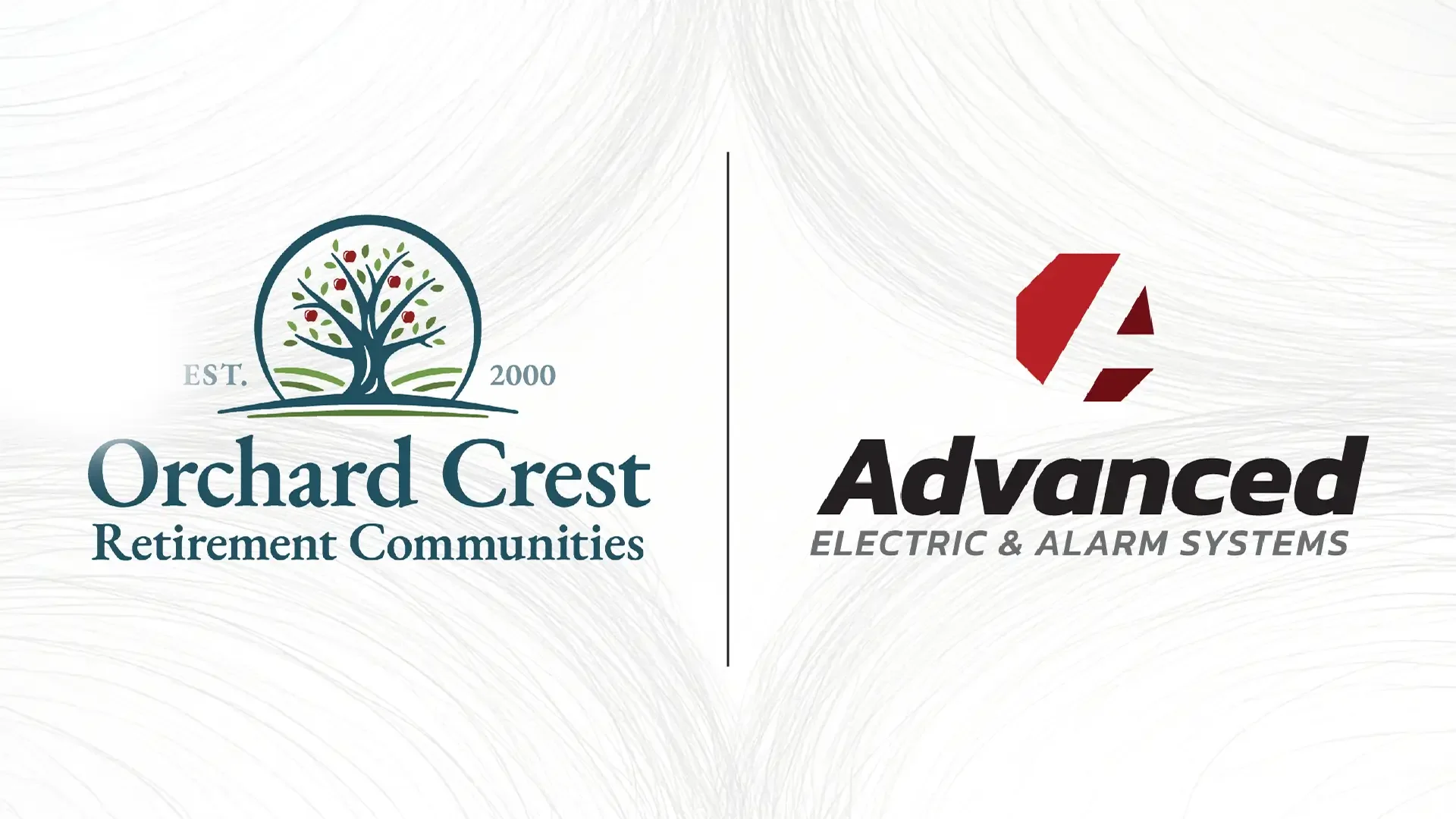
For example, let’s look at the logos I’ve created for two companies shown above. One is a retirement home meant to invoke comfort, happiness, and approachability. The other is an electric and alarm company that is cutting-edge, effective, and professional. Colors, fonts, and the visual style reflect these traits. Swapping the names wouldn’t just be funny, but a major red flag to anyone looking for a retirement home or someone to install an alarm system.
Design can’t do all the heavy-lifting to create a successful brand, though. It is up to the business or organization to embody the brand in every way. Customer service, product design, and even how they dress will affect how a brand is perceived.
Thank you for reading! I hope that this made you think about branding and design differently for a moment.
See more about the Orchard Crest and Advanced Electric projects.